Knowledge of wilderness comes from time spent paying attention, not from certification alone.
I moved to Vancouver Island in 2003 without particular plans beyond escaping city patterns. Took seasonal work that kept me outdoors. Spent off-hours walking trails, learning tree identification, watching how weather shaped each day differently.
What began as personal curiosity evolved into something more structured. Friends asked to come along. I started keeping notes on seasonal changes, optimal timing for wildlife sightings, which trails held up better in wet conditions. The informal knowledge became a framework.
Formal guide certification followed in 2008, more to meet regulatory requirements than because I needed the training. By that point I'd already logged thousands of hours in these ecosystems.
Most commercial wilderness experiences optimize for throughput. Large groups, predictable routes, schedules that don't adapt to conditions. It makes business sense but compromises what makes wild places worth visiting.
Small groups notice more. You can move at a pace that allows for actual observation rather than just covering distance. When something interesting appears, there's time to stop and understand what you're seeing.
I don't narrate constantly. Wilderness has its own presence that doesn't need continuous interpretation. The role of a guide is knowing when to provide context and when to let people form their own impressions.
Each experience is structured around natural cycles. Salmon runs determine when to focus on river systems. Weather patterns dictate coastal access. Spring wildflower emergence happens in a narrow window. We work with these rhythms rather than offering identical trips year-round.
Four to eight people depending on the terrain and activity. Larger groups inevitably fragment into subgroups with different paces and interests. Keeping numbers low maintains cohesion and reduces environmental impact.
Twenty-three years in the same region means understanding patterns that only emerge over time. Which valleys accumulate snow first. How storm tracks affect different parts of the coast. The succession patterns in areas recovering from logging. This knowledge isn't in guidebooks.
Routes are planned but not rigid. If conditions reveal better options, or if the group's interests lean a particular direction, we adjust. The landscape ultimately dictates what each day offers.
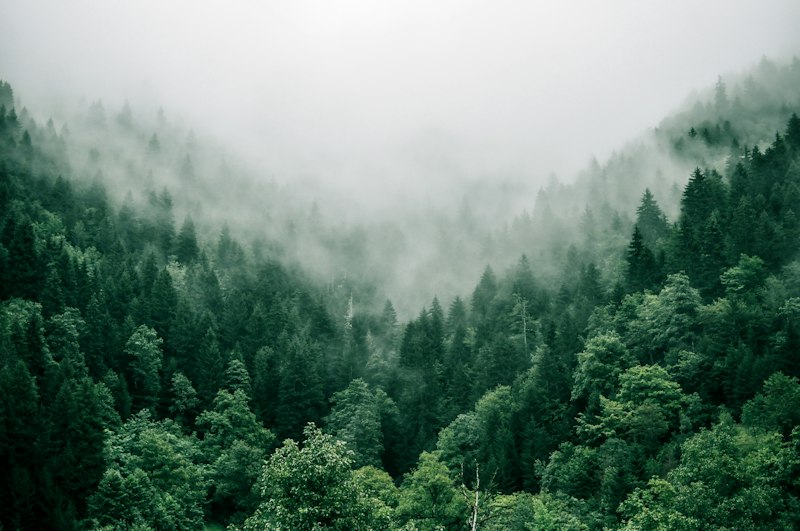
Vancouver Island has been logged extensively. Very little true old growth remains outside protected areas. The forests most people see are second or third growth, recovering from clear-cuts that happened decades ago.
Understanding this history changes how you perceive the landscape. What looks like pristine wilderness often reveals signs of previous extraction once you know what to look for. Stumps hidden by moss. Unnatural spacing of large trees. Old cable systems rusting in creek beds.
This context matters because it shapes current conservation debates and land use decisions. These guided experiences include that historical layer when relevant, not to diminish the landscape's beauty but to understand it more completely.
All trips follow Leave No Trace principles. Group sizes remain small specifically to reduce cumulative impact on vegetation and wildlife. We avoid sensitive areas during breeding or nesting seasons. Trail routes are chosen to minimize erosion and vegetation damage.
Vancouver Island is traditional territory of numerous First Nations groups. Many of the routes and locations we visit have been used for thousands of years. While I'm not Indigenous and don't claim to teach Indigenous knowledge, I acknowledge this history and encourage participants to learn from Indigenous voices and resources.
If weather makes an experience unsafe or unpleasant, I'll recommend rescheduling. If your fitness level doesn't match a chosen route's requirements, I'll say so directly. If wildlife sightings are unlikely during your visit window, I'll explain why. Better to adjust expectations beforehand than deliver disappointment.